All Categories
Featured

Understanding How IUL Benefits Secure Retirement
It's important to understand how IUL policies work, given that they're more intricate than basic long-term life policies. An indexed universal life policy is a type of long-term life insurance, providing long-lasting protection and a death advantage. The essential difference between IUL policies and other types of universal life insurance is how the money worth is invested.
The death benefit is the quantity of money your beneficiary gets after you die. With IUL policies, the death benefit might be minimized by the amount of any money value withdrawals or money worth loans you secured but didn't pay back. This death advantage is normally not taxable for your beneficiaries. They both offer protection for life and come with a death advantage and cash worth component that grows with time. Entire life provides more predictability since the premiums and death advantage stay the same, and your money value grows at a set rate that will not decrease. You may have lower premiums with fewer fees compared to an IUL, though you can't adjust
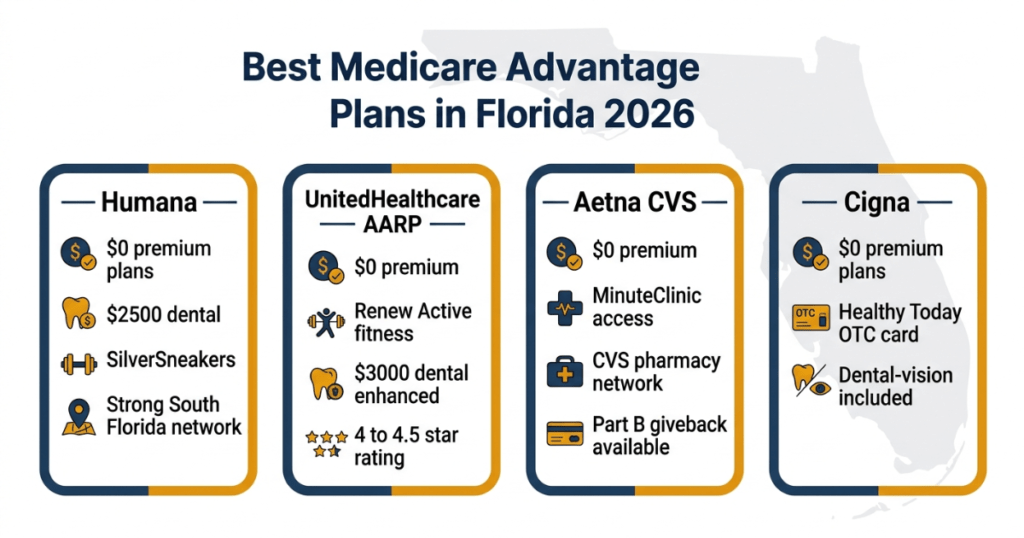
Choosing the 2026 Medicare Advantage Coverage
premiums or control the money value financial investment. The flooring on the indexed portion of your money worth protects against market swings. And because the policy isn't straight bought the stock exchange, your danger is reduced. You have the option of adjusting your premiums and survivor benefit while the policy is in force. You can likewise designate your cash worth to different sub-accounts and possibly pick where the indexed account invests. Your beneficiaries likewise receive a death advantage that isn't normally based on earnings or estate taxes. You might withdraw or borrow from your money value anytime without penalty. IUL policies don't limit just how much you can contribute each year, enabling you to experience more growth if you want to contribute more. Caps and maximum involvement rates limit the amount of interest you can make in your indexed account. Your insurer doesn't directly purchase stocks, so you will not take advantage of dividends paid to shareholders. Insurance business charge fees for handling your account, which can consume into your money value. If you withdraw money that includes financial investmentgains before your policy matures, you may need to pay income taxes on the funds. The cost of an indexed universal life insurance policy differs, depending upon elements like your age, where you live, your health and the coverage amount you pick. But usually, indexed universal life insurance coverage policies cost more than term life insurance since they include a cash value account and neverend. According to one quote, a healthy, nonsmoking 34-year-old lady may pay between$71 and $96 a month for an indexed universal life policy, presuming$250,000 of coverage. The same individual may pay$32 to$44 a month for a term life policy and between $177 and$245 monthly for an entire life policy.
The death benefit is the quantity of cash your recipient receives after you die. With IUL policies, the death benefit might be decreased by the quantity of any money worth withdrawals or cash value loans you took out but didn't repay. This death benefit is typically not taxable for your heirs. They both provide coverage for life and include a death advantage and money value component that grows gradually. Whole life offers more predictability because the premiums and death advantage stay the very same, and your money value grows at a set rate that won't decrease. You might have lower premiums with fewer fees compared to an IUL, though you can't adjust
Medicare in Los Angelespremiums or control the money value investment. The floor on the indexed portion of your money worth safeguards versus market swings. And due to the fact that the policy isn't directly bought the stock market, your threat is decreased. You have the choice of changing your premiums and survivor benefit while the policy is in force. You can also designate your money worth to different sub-accounts and potentially choose where the indexed account invests. Your beneficiaries also receive a survivor benefit that isn't generally subject to income or estate taxes. You might withdraw or obtain from your cash worth anytime without penalty. IUL policies don't limit just how much you can contribute each year, enabling you to experience more development if you want to contribute more. Caps and maximum participation rates restrict the quantity of interest you can earn in your indexed account. Your insurance provider doesn't straight purchase stocks, so you will not benefit from dividends paid to shareholders. Insurance companies charge fees for handling your account, which can consume into your cash value. If you withdraw money that consists of investmentgains before your policy grows, you may need to pay income taxes on the funds. The cost of an indexed universal life insurance coverage policy differs, depending on aspects like your age, where you live, your health and the protection quantity you select. Usually, indexed universal life insurance coverage policies cost more than term life insurance due to the fact that they include a money worth account and neverexpire. According to one quote, a healthy, nonsmoking 34-year-old lady might pay between$71 and $96 a month for an indexed universal life policy, presuming$250,000 of coverage. The exact same person might pay$32 to$44 a month for a term life policy and in between $177 and$245 per month for an entire life policy.

Latest Posts
Understanding How IUL Benefits Secure Retirement

Leveraging New Business Profile Features for Success

Establishing Trust With Modern Search Optimizations